
Investing Literacy
How to analyze stocks
DIY research process using SEDAR+, MD&A, earnings, and peer tables.
 HubHub
How to Build a Sector-Aware Research Checklist Library
How to organize a stock research checklist library: one core checklist, sector overlays for banks, REITs, rails, miners and more, plus company notes. Educational.
Read guide →
 HubHub
How to Analyze Free Cash Flow for Stock Decisions
How Canadian DIY investors can analyze free cash flow (FCF) for real stock decisions: building FCF from the cash-flow statement, IFRS 16 leases, sustaining vs growth capex, coverage of dividends and buybacks, and FCF per share trends.
Read guide →
 HubHub
How to Read an MD&A Like a DIY Investor
A Canadian DIY investor's guide to reading Management's Discussion & Analysis (MD&A) on SEDAR+: what to read first, what to skip, red flags, and a one-page note template — educational, not advice.
Read guide →
 HubHub
How to Build a Simple Stock Brief Template (Bull / Bear / Watch)
Build a one-page stock brief for TSX stocks: snapshot, business model, bull case, bear case, watch list, kill criteria and valuation range — a free template and worked structure for Canadian DIY investors.
Read guide →
 HubHub
How to Research a TSX Stock from Scratch (Canadian DIY Framework)
A step-by-step Canadian DIY framework for researching a TSX stock from scratch using SEDAR+, MD&A, earnings, peers, and a bull/bear/watch brief — educational, not advice.
Read guide →
- HubHub
How to Use SEDAR+ for Stock Research (Step by Step)
Step-by-step guide to using SEDAR+ for Canadian DIY stock research: finding issuers, prioritizing AIF, MD&A, financials, and circulars without drowning in filings.
Read guide →
 Spoke
How to Analyze Off-Balance-Sheet Commitments Simply
A simple way to find and size off-balance-sheet commitments: purchase obligations, take-or-pay, guarantees, committed capex and joint-venture debt. Educational.
Read guide →
 Spoke
How to Evaluate Customer Retention Clues in Subscription Businesses
How to judge customer retention in subscription businesses: churn, gross and net revenue retention, deferred revenue and other clues in filings. Educational.
Read guide →
 Spoke
How to Read Contingent Liability Disclosures
How to read provisions and contingent liability notes under IAS 37: lawsuits, tax disputes, guarantees, ranges, and how to size the downside. Educational.
Read guide →
 Spoke
How to Track KPI Definitions When Companies Change Them
How to spot when a company changes how it defines a KPI, find the bridge or restatement, and keep your metric history comparable. Educational, with a log template.
Read guide →
 Spoke
How to Analyze Gold Miners Without Only Watching the Spot Price
How to analyze gold miners beyond spot gold: margin per ounce, AISC, reserve life, jurisdiction, capital allocation and sensitivity tables. Educational, not advice.
Read guide →
 Spoke
How to Analyze Industrials Using Cycle and Backlog Clues
How to analyze TSX industrials: read orders, backlog and book-to-bill first, split price from volume, and value on mid-cycle earnings. Educational, not advice.
Read guide →
 Spoke
How to Analyze Oil & Gas Producers vs Midstream vs Services
How to analyze Canadian energy stocks by business model: producers, midstream and services need different metrics, filings and risk checks. Educational, not advice.
Read guide →
 Spoke
How to Analyze Pricing Power From MD&A Language
How to read pricing power in an MD&A: revenue bridges, price vs volume, phrases like price realization or promotional intensity, and margin checks. Educational.
Read guide →
 Spoke
How to Analyze Railroads Using Volumes, Pricing, and Operating Ratio
How to analyze railroad stocks: carloads, RTMs, revenue per RTM, service metrics and the operating ratio, read in order. Educational, not advice.
Read guide →
 Spoke
How to Analyze Serial Software Acquirers on the TSX
How to analyze TSX vertical market software acquirers: capital deployed, hurdle rates, organic growth, ROIC and reinvestment runway. Educational, not advice.
Read guide →
 Spoke
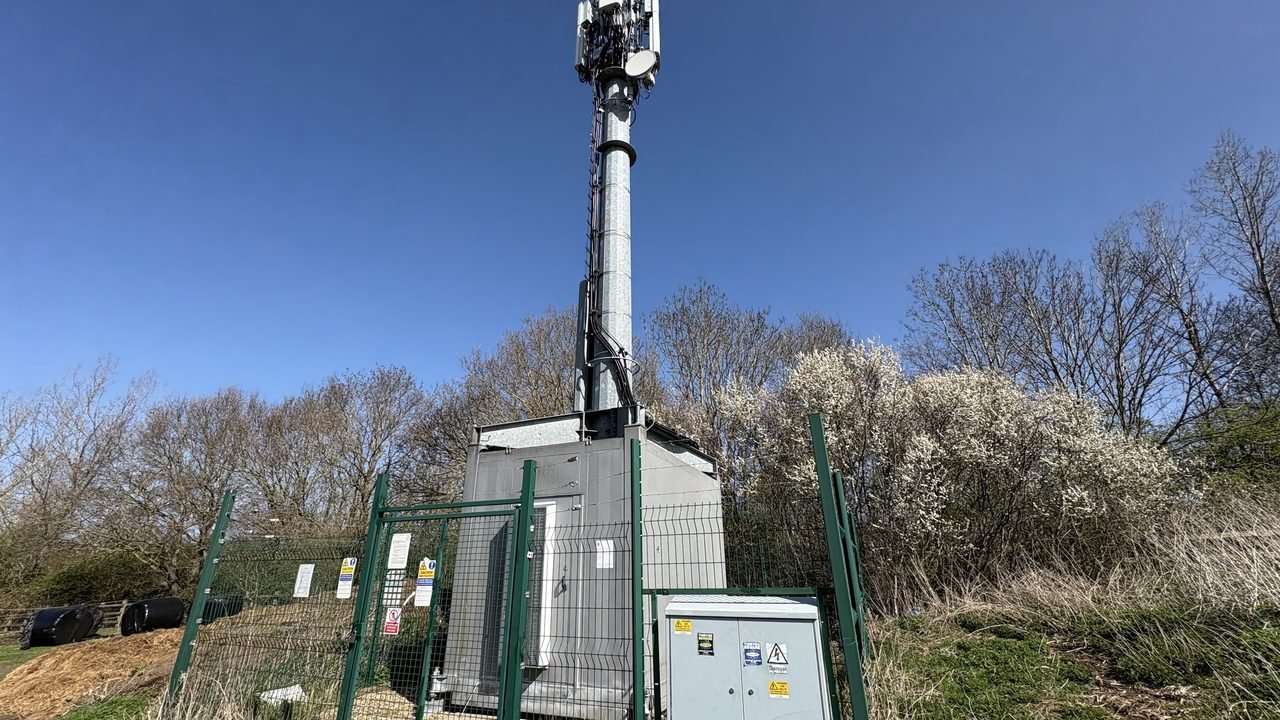
How to Analyze Telecoms Using ARPU, Churn, and Capex Cycles
How to analyze telecom stocks: subscriber adds, ARPU, churn, service revenue and capital intensity across the network build cycle. Educational, not advice.
Read guide →
 Spoke
How to Evaluate Moat Durability Over a Full Cycle
How to test whether a competitive moat lasts: pricing, retention, market share and ROIC through the last downturn, plus what erodes moats. Educational.
Read guide →
 Spoke
How to Read IFRS Notes That Trip Up US-Trained Readers
IFRS vs US GAAP notes that trip up investors: leases, cash flow classification, impairment reversals, development costs, fair value and provisions. Educational.
Read guide →
 Spoke
How to Research Supply Chain Dependencies From Filings
How to find supply chain risk in Canadian filings: AIF, risk factors, MD&A, inventory, purchase commitments and supplier finance notes. Educational, not advice.
Read guide →
 Spoke
How to Use Library Tools (FP Advisor and Peers) for Free Deep Data
How to use free library databases such as FP Advisor, Mergent and Value Line for company histories, dividends and peers, then verify in filings. Educational.
Read guide →
 Spoke
How to Analyze Banks Differently from Operating Companies
Which operating-company habits to switch off for banks (EV/EBITDA, FCF, net debt) and what to use instead: P/B, ROE, NIM, CET1, credit. Educational, not advice.
Read guide →
 Spoke
How to Analyze Insurers Differently from Banks
Why insurers are not banks: float vs loans, combined ratio, IFRS 17 CSM, LICAT and MCT capital, reserve development. A checklist for Canadian life and P&C insurers. Educational, not advice.
Read guide →
 Spoke
How to Analyze Pipelines and Utilities as Bond Proxies (and When Not To)
When Canadian utilities and pipelines behave like bonds, and when volume, commodity, project or payout risk means you need an equity lens instead. Educational, not advice.
Read guide →
 Spoke
How to Analyze Preferred Shares and Hybrid Capital Simply
How to read Canadian preferred shares and hybrids: rate-reset, perpetual, floating and LRCN terms, ranking and NVCC, reset math and credit checks. Educational, not advice.
Read guide →
 Spoke
How to Analyze REITs Differently from Ordinary Equities
Which ordinary-equity habits to drop for Canadian REITs (EPS, P/E, earnings payout) and what to use instead: FFO/AFFO, NAV, debt/GBV, same-property NOI. Educational, not advice.
Read guide →
 Spoke
How to Analyze Retail and Consumer Names with Canadian Footprints
A checklist for Canadian-listed retail and consumer stocks: geography mix, same-store sales, margins and FX on imports, inventory, leases, loyalty and credit arms. Educational, not advice.
Read guide →
 Spoke
How to Analyze Rights Offerings Without Getting Diluted Blindly
How Canadian rights offerings work: ratio, subscription price, TERP and right value, standby commitments and your three choices before expiry. Educational, not advice.
Read guide →
 Spoke
How to Analyze Software Business Models on the TSX
How to analyze TSX software companies: name the model (SaaS, serial acquirer, platform, licence), then check recurring revenue, retention, SBC and capitalized development. Educational, not advice.
Read guide →
 Spoke
How to Evaluate Spin-Offs and Corporate Separations as a DIY Investor
How to research a spin-off: read the arrangement circular, compare debt and leverage for each piece, watch for forced selling and split your ACB. Educational, not advice.
Read guide →
 Spoke
How to Read Prospectus Documents for Secondary Offerings
How to read a Canadian short form prospectus or shelf supplement: treasury vs secondary, discount, use of proceeds, capitalization, lock-ups. Educational, not advice.
Read guide →
 Spoke
How to Research Small-Cap TSX Venture Names Differently from Large Caps
How to research TSX Venture small caps: start with cash runway, financing history and share structure, then people, assets and valuation. Educational, not advice.
Read guide →
 Spoke
How to Spot Red Flags in Early-Stage Mining and Energy Junior Filings
How to read junior mining and oil and gas news releases: NI 43-101 and NI 51-101 categories, drill intervals, prospective resources and financing signals. Educational, not advice.
Read guide →
 Spoke
How to Analyze Inventory Turns and Receivables Quality
Learn to analyze inventory turns, DSO and receivables quality: the formulas, note checklists, a hypothetical cash conversion cycle example, and red flags to log. Educational, not advice.
Read guide →
 Spoke
How to Analyze Regulatory Risk Disclosures in an AIF
How to analyze regulatory risk disclosures in an AIF: separate specific risks from boilerplate, diff year over year, and map rate, licence, capital and ownership rules to economics. Educational, not advice.
Read guide →
 Spoke
How to Avoid Analysis Paralysis When Picking Stocks
How to avoid analysis paralysis when researching stocks: time boxes, source tiers, five core questions and stopping rules that end in buy, watch or pass. Educational, not advice.
Read guide →
 Spoke
How to Build a Pre-Earnings Checklist for DIY Investors
Build a pre-earnings checklist: KPIs with pre-set thresholds, kill criteria review, release-day rules and a debrief booking, so results day is a comparison, not a reaction. Educational, not advice.
Read guide →
 Spoke
How to Debrief an Earnings Print in Under an Hour
A timed 60-minute earnings debrief: press release, statements and MD&A, KPI scorecard against pre-set thresholds, call Q&A and a decision log. Educational, not advice.
Read guide →
 Spoke
How to Handle Currency When Analyzing CAD vs USD Results
How to separate currency effects from business performance in CAD vs USD results: translation vs transaction exposure, FX sensitivity tables, hedges and constant-currency growth. Educational, not advice.
Read guide →
 Spoke
How to Keep Stock Research Notes That Compound Over Years
A durable research-notes system for DIY stock pickers: company files, concept notes and a lessons log, with folder structure, templates and a review cadence. Educational, not advice.
Read guide →
 Spoke
How to Read Cap Tables and Fully Diluted Share Counts
How to build a fully diluted share count from a cap table: basic shares, RSUs, options and warrants (treasury stock method), convertibles and exchangeables. Educational, not advice.
Read guide →
 Spoke
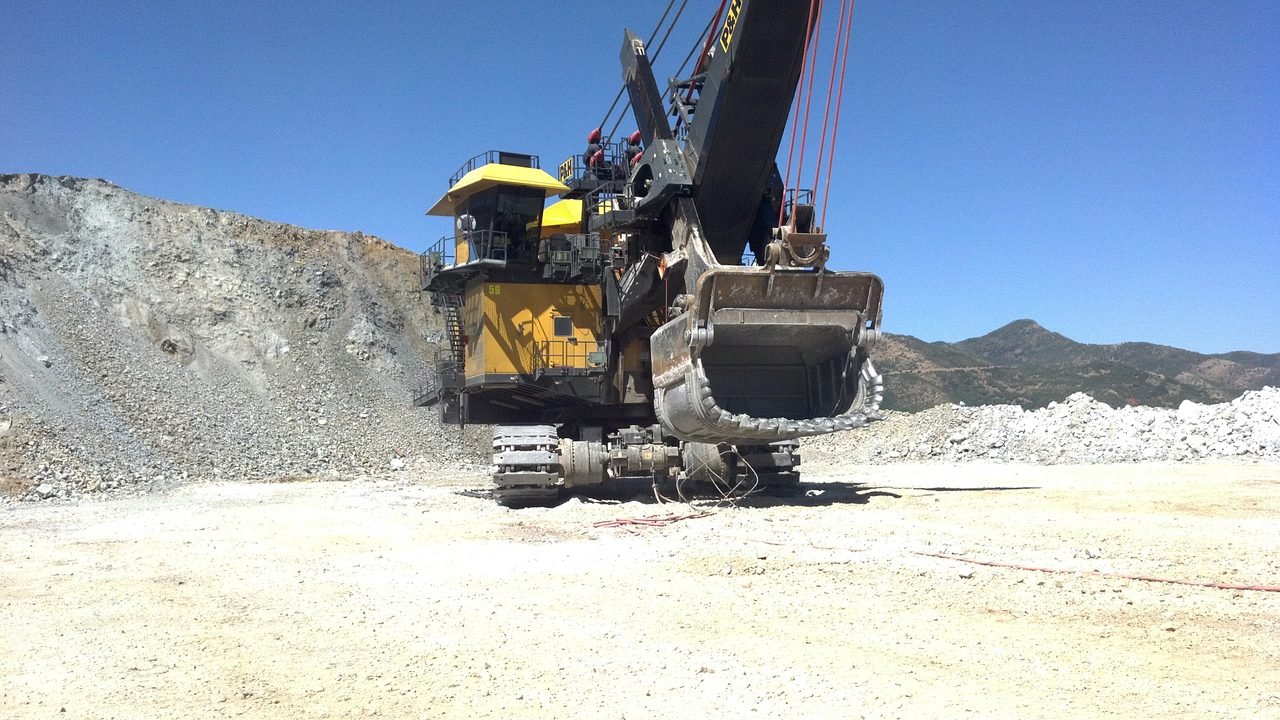
How to Read Commodity Price Sensitivity for Resource Issuers
How to read commodity price sensitivity tables for producers and miners: realized vs benchmark price, royalties, hedges, operating leverage and FCF breakevens. Educational, not advice.
Read guide →
 Spoke
How to Research Dual-Listed Canadian Stocks (TSX + NYSE/Nasdaq)
How to research Canadian companies listed on both the TSX and a US exchange: which filings to read, reporting currency checks, FX costs and account fit. Educational, not advice.
Read guide →
 Spoke
How to Separate Price Action from Fundamentals in Your Notes
A note-keeping workflow that keeps price moves, business evidence and decisions in separate columns, so price never edits your thesis on its own. Educational, not advice.
Read guide →
 Spoke
How to Triangulate Filings, Sell-Side Notes, and Your Own Model
How to reconcile filings, sell-side research and your own model line by line, explain each gap and treat analyst notes as context rather than conclusions. Educational, not advice.
Read guide →
 Spoke
How to Analyze M&A Track Records for Serial Acquirers
How to analyze M&A track records for serial acquirers: deal logs, synergy proof, impairments, leverage path, and underwriting discipline. Educational, not advice.
Read guide →
 Spoke
How to Analyze Same-Store Sales and Volume Metrics
How to analyze same-store sales and volume metrics: pin definitions, split traffic vs price/mix, normalize the store base, then compare peers fairly. Educational, not advice.
Read guide →
 Spoke
How to Build a Watchlist Process That Is Not Noise
How to build a watchlist process that is not noise: buckets, caps, review cadence, SEDAR+ alerts, and a drop log — instead of an anxiety feed. Educational, not advice.
Read guide →
 Spoke
How to Compare Organic Growth vs Acquisition Growth
How to compare organic vs acquisition growth: strip FX and bought contributions, read the MD&A bridge, and judge whether the thesis is a franchise or a roll-up. Educational, not advice.
Read guide →
 Spoke
How to Identify Recurring vs Cyclical Revenue
How to identify recurring vs cyclical revenue from IFRS 15 notes and MD&A mix — stickiness tests, deferred revenue clues, and thesis mapping. Educational, not advice.
Read guide →
 Spoke
How to Map a Company's Business Model in Plain English
How to map a company's business model in plain English: customers, offer, delivery, monetization, and constraints — filled from filings, not pitch decks. Educational, not advice.
Read guide →
 Spoke
How to Read Auditor Opinions and Going-Concern Language
How to read auditor opinions and going-concern language: opinion types, KAMs, material uncertainty, and how to map signals to liquidity and kill criteria. Educational, not advice.
Read guide →
 Spoke
How to Read Order Backlog and Book-to-Bill When Disclosed
How to read order backlog and book-to-bill when disclosed: pin definitions, align periods, trend the ratio, and test cancel/defer risk. Educational, not advice.
Read guide →
 Spoke
How to Read Unit Economics When a Company Discloses Them
How to read unit economics when disclosed: lock the unit, stack revenue and variable cost, test CAC/payback, and keep consolidated FCF in view. Educational, not advice.
Read guide →
 Spoke
How to Stress-Test a Stock Thesis Against a Recession Scenario
How to stress-test a stock thesis against a recession scenario: haircut volumes and margins, re-run FCF and covenants, then map to watch or kill criteria. Educational, not advice.
Read guide →
 Spoke
How to Update a Stock Thesis After a Beat or Miss
How to update a stock thesis after a beat or miss: decompose the surprise, check cash quality, rewrite thesis cards, and avoid headline trading. Educational, not advice.
Read guide →
 Spoke
How to Use Peer Tables Without Cherry-Picking Comps
How to use peer tables without cherry-picking comps: write screen rules first, align definitions, keep inconvenient peers, and show median plus range. Educational, not advice.
Read guide →
 Spoke
How to Analyze Customer Concentration Risk
How to analyze customer concentration risk: AIF risk factors, revenue-note percentages, a hypothetical concentration table, and stress cases for your brief. Educational, not advice.
Read guide →
 Spoke
How to Analyze Geographic Revenue Mix for Canadian Multinationals
How to analyze geographic revenue mix for Canadian multinationals: IFRS 8 geo notes, FX framing, country risk, and a hypothetical mix-shift diagram. Educational, not advice.
Read guide →
 Spoke
How to Analyze Interest Coverage for Levered TSX Names
How to analyze interest coverage for levered TSX names: EBIT and CFO variants, sector caveats for banks/insurers/REITs, and a hypothetical rate-stress sketch. Educational, not advice.
Read guide →
 Spoke
How to Analyze Working Capital Swings in Quarterly Results
How to analyze working-capital swings in quarterly results: ΔAR, inventory, and AP versus sales, the bridge to CFO, and a hypothetical QoQ scorecard. Educational, not advice.
Read guide →
 Spoke
How to Build a One-Page Competitive Moat Checklist
How to build a one-page competitive moat checklist: switching costs, network effects, cost advantage, intangibles, and scale — scored with evidence and linked to thesis cards. Educational, not advice.
Read guide →
 Spoke
How to Evaluate Executive Compensation Alignment (Investor Angle)
How investors read executive compensation alignment in Canadian circulars: salary vs equity vs options, performance metrics, peer groups, and thesis fit — not HR advice. Educational only.
Read guide →
 Spoke
How to Evaluate Pension and Other Long-Term Liabilities
How to evaluate pension and other long-term liabilities: DB vs DC, funding clues, leases and AROs, and a cash-vs-accounting ladder — educational, not advice.
Read guide →
 Spoke
FCF for Stock Decisions: A Quick Decision Checklist
A quick FCF decision checklist for stock decisions: definition, normalization, claims on cash, and thesis mapping — linking the existing FCF hub, glossary, P/FCF, and dividend-coverage posts. Educational, not advice.
Read guide →
 Spoke
How to Read Cash Flow from Operations vs Net Income
How to read cash from operations versus net income: the NI→CFO bridge, working capital, non-cash add-backs, and quality questions — with a hypothetical worked bridge. Educational, not advice.
Read guide →
 Spoke
How to Read Debt Notes and Covenant Language Simply
How to read debt notes and covenants in plain English: maturity ladders, fixed vs floating, covenant types, and an MD&A cross-check — with a hypothetical ladder. Educational, not advice.
Read guide →
 Spoke
How to Read a Management Information Circular for Investors
How to read a Canadian management information circular (proxy): agenda, director bios, say-on-pay where applicable, shareholder proposals, and significant holders — with an AIF cross-check. Educational, not advice.
Read guide →
 Spoke
How to Read Related-Party Disclosures Without Panic
How to read related-party disclosures without panic: IAS 24-style notes, materiality, terms, recurrence, and a triage card — linking MIC, insider ownership, and segment posts. Educational, not advice.
Read guide →
 Spoke
How to Analyze Gross Margin Trends Before You Buy
A pre-buy DIY framework for gross margin trends: clean COGS, multi-quarter GM%, a price/cost/mix/FX bridge, peer definition checks, and a thesis kill level. Educational, not advice.
Read guide →
 Spoke
How to Analyze Insider Ownership Without Overweighting It
How to read insider ownership for Canadian issuers without overweighting it: AIF/circular tables, SEDI behaviour, early-warning filings, a reliability ladder, and a light weighting guide. Educational, not advice.
Read guide →
 Spoke
How to Analyze Operating Leverage in a Simple Business Model
A napkin-model DIY guide to operating leverage: fixed vs variable costs, +/-10% revenue cases, EBIT sensitivity, cash confirmation, and downside questions for the MD&A. Educational, not advice.
Read guide →
 Spoke
How to Analyze Revenue Quality for Canadian Issuers
A practical DIY framework for revenue quality on Canadian IFRS issuers: recognition policy, organic vs FX/M&A bridges, receivables and deferred revenue checks, concentration, and a scorecard. Educational, not advice.
Read guide →
 Spoke
How to Evaluate Management Guidance Language
A commitment-log method for reading management guidance: diff verbs quarter to quarter, classify soft vs hard language, track delivery, and spot quiet goalpost moves. Educational, not advice.
Read guide →
 Spoke
How to Read Capex Plans in an MD&A
How to read capital expenditure plans in a Canadian MD&A: maintenance vs growth splits, capex vs depreciation, FCF with and without growth projects, and a reusable note template. Educational, not advice.
Read guide →
 Spoke
How to Read Segment Reporting in Canadian Filings
A DIY guide to IFRS 8 operating-segment notes in Canadian filings: segment profit definitions, reconciliations to consolidated results, mix-shift trends, and a segment note template. Educational, not advice.
Read guide →
 Spoke
How to Read Share Buyback Disclosures in Canada
How Canadian share buyback disclosures work for DIY investors: NCIB vs SIB, authorization vs actual repurchases, share-count reconciliation, funding source, and a light ACB note for taxable accounts. Educational, not advice.
Read guide →
 Spoke
How to Separate News from Thesis for Individual Stocks
A DIY note-keeping workflow for separating market news from your written stock thesis: capture, map to a pillar, classify as catalyst/noise/thesis change, and log one line before you act. Educational, not advice.
Read guide →
 Spoke
How to Spot Dilution Risk in Canadian Equity Issuers
A pre-issue dilution risk scan for Canadian equities: cash runway, warrants/convertibles overhang, base shelf and ATM capacity on SEDAR+, and triggers that often precede financings. Educational, not advice.
Read guide →
 Spoke
How to Spot One-Time Items in Canadian Financial Statements
A statement-level guide to spotting impairments, restructuring charges, gains on sale and other one-time items in Canadian financial statements: where they appear, a five-step workflow, a hypothetical worked example, and a reusable log. Educational, not advice.
Read guide →
 Spoke
How to Track a Stock Thesis Over Multiple Quarters
A quarter-over-quarter thesis scorecard for DIY investors: baseline the thesis, score pillars each earnings season, diff what changed in writing, and only then update catalysts. Educational, not advice.
Read guide →
 Spoke
How to Read a Canadian Annual Report Without an Accounting Degree
A plain-English reading order for a Canadian annual report: the auditor's report, balance sheet, income statement, cash flow statement and the notes that matter most, with filing deadlines, red flags and a one-page note template. Educational, not advice.
Read guide →
 Spoke
How to Read an Earnings Press Release Before the Charts
How to read a company's earnings press release before looking at the share price: the anatomy of a release, a five-step reading order from the reported table to the headline, how to spot framed headlines, and a 15-minute note template. Educational, not advice.
Read guide →
 Spoke
SEDAR+ vs EDGAR: What Changes When You Own US Stocks from Canada
A translation guide from SEDAR+ to EDGAR for Canadian investors who own US or interlisted stocks: 10-K, 10-Q, 8-K, Form 4, 20-F and 40-F versus AIF, MD&A and SEDI, plus deadlines, IFRS vs US GAAP and a five-minute EDGAR routine. Educational, not advice.
Read guide →
 Spoke
SEDAR+ Alerts and Filing Types: Monitoring Stocks You Already Own
How to monitor Canadian stocks you already own with SEDAR+: free financial document email alerts and their limits, which filing types matter (material change reports, prospectus supplements, early warning reports, change of auditor), filing deadlines, SEDI insider checks and a 15-minute weekly sweep. Educational, not advice.
Read guide →
 Spoke
How to Compare Two TSX Peers Side by Side
A fair, step-by-step method for comparing two TSX peer stocks: choose true peers, align periods and accounting, normalize metrics, and score growth, quality, balance sheet and valuation — with an illustrative worked table.
Read guide →
 Spoke
How to Read an Annual Information Form (AIF) for Stock Analysis
What a Canadian Annual Information Form (AIF) contains, which sections matter for stock analysis, how it differs from the MD&A, and a 45-minute reading plan for DIY investors.
Read guide →
 Spoke
How to Read an Earnings Call Transcript (What Matters, What Doesn't)
How Canadian DIY investors can read an earnings call transcript efficiently: skip the scripted parts, mine the analyst Q&A, track language shifts, and log what management commits to.
Read guide →
 Spoke
How to Read Quarterly Earnings for TSX Companies
A repeatable routine for reading quarterly earnings from TSX companies: the press release, interim MD&A, cash flow, guidance and the 'beat or miss' trap — with checklists for Canadian DIY investors.
Read guide →
 Spoke
How to Read Non-GAAP Metrics Critically (Adjusted EBITDA and Friends)
How to read adjusted EBITDA, adjusted EPS, distributable cash flow, AFFO and other non-GAAP measures in Canadian filings: NI 52-112 rules, reconciliations, legitimate vs suspicious adjustments, and a 3-year bridge check.
Read guide →


